How often do you instinctively open your favorite social media app without thinking? Or check your email first thing in the morning? These behaviors aren’t random—they’re deeply ingrained user habits, shaped by intentional UX design.
When users form habits around a digital product, engagement and retention increase significantly. This is why companies like Instagram, Netflix, and Duolingo don’t just design products; they engineer experiences that seamlessly integrate into users' daily lives.
But how do habits form, and how can UX designers leverage behavioral psychology to encourage repeated interactions? This article explores the science of habit formation in UX, the Hook Model, and strategies for building products that users return to effortlessly.
Understanding Habit Formation in UX
A habit is an automatic behavior triggered by specific cues. Unlike one-time interactions, habitual behaviors require minimal cognitive effort—they happen almost instinctively.
Psychologists describe habit formation using a cue-routine-reward loop:
- Cue – A trigger that prompts the behavior (e.g., a notification or visual element).
- Routine – The action the user takes (e.g., opening an app or scrolling).
- Reward – The benefit received, reinforcing the habit (e.g., dopamine from social validation).
Over time, this cycle repeats, strengthening neural pathways in the brain. The more frequently users experience positive reinforcement, the more deeply ingrained the habit becomes.
This framework is crucial in UX design because products that become habits drive long-term engagement and loyalty.
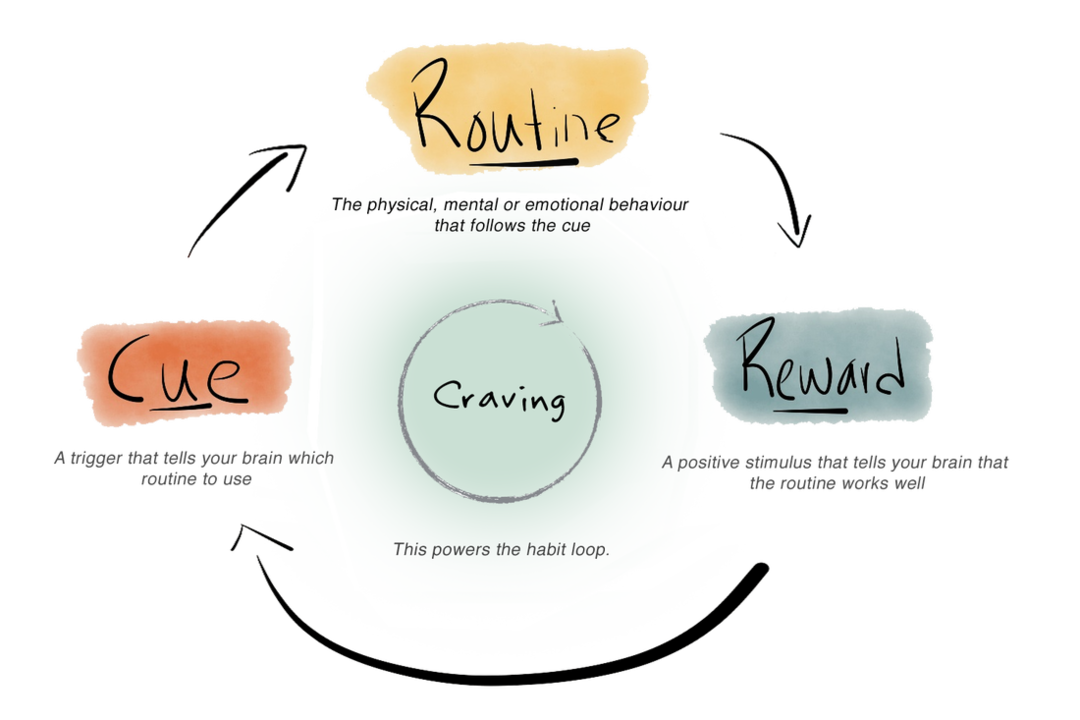
Image Credits - LinkedIn
The Hook Model: Creating Habit-Forming Products
Nir Eyal, author of Hooked: How to Build Habit-Forming Products, introduced the Hook Model, a four-step cycle that builds habits through repeated engagement:
1. Trigger (External & Internal Cues)
Triggers prompt users to take action. These can be:
- External Triggers – Notifications, emails, social proof, or calls-to-action that nudge users to engage.
- Internal Triggers – Emotional states (boredom, curiosity, stress) that subconsciously drive behavior.
Example:
- A LinkedIn notification saying, "Someone viewed your profile," triggers curiosity, leading users to check the app.
2. Action (Frictionless Engagement)
Once triggered, the user must perform an action. The easier it is, the more likely they are to do it.
- Minimize effort – Simple, intuitive UI reduces cognitive load.
- Remove barriers – Autofill, one-click logins, and smart defaults make actions seamless.
Example:
- TikTok auto-plays videos upon opening, requiring zero effort from users to engage.
3. Variable Reward (Psychological Reinforcement)
Humans are wired to seek unpredictable rewards. The anticipation of an uncertain outcome increases dopamine levels, reinforcing engagement.
- Social validation – Likes, comments, and shares (e.g., Instagram).
- Achievement rewards – Streaks, badges, progress bars (e.g., Duolingo).
- Personalization – Tailored content feeds (e.g., Netflix, Spotify).
Example:
- The endless scroll on social media exploits variable rewards—users never know what exciting post comes next, keeping them engaged longer.
4. Investment (Encouraging Commitment)
Investment makes users more likely to return because they’ve put in effort or data.
- User-generated content – The more users personalize (e.g., playlists, saved items), the more invested they feel.
- Progress tracking – Visual indicators of achievement reinforce continued engagement.
Example:
- Snapchat’s streak feature encourages daily use by tracking consecutive days of interaction.
Through repeated Hook cycles, users transition from externally triggered actions to subconscious habits, making engagement natural rather than forced.
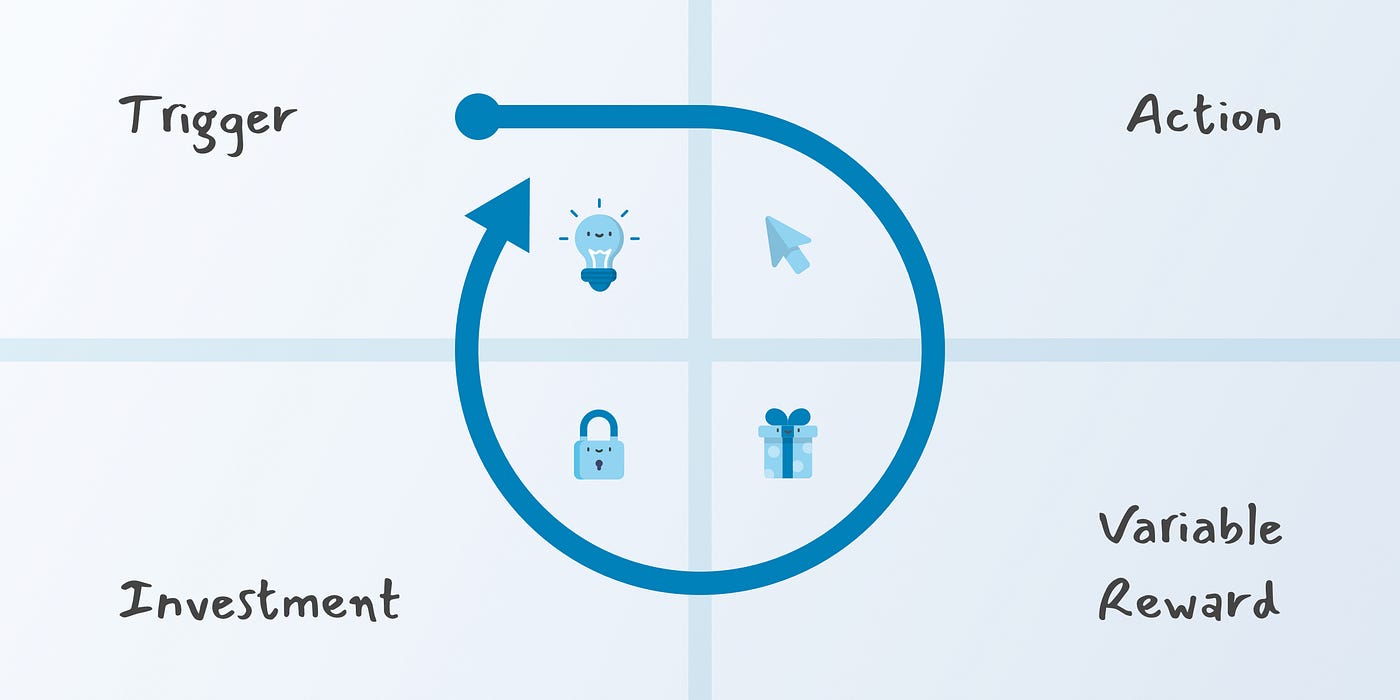
Image Credits - UX Collective
Applying Habit Science to UX Design
1. Design for Small, Repeated Actions
The easier an action is, the more likely users will form a habit. Start with small, effortless interactions before increasing complexity.
Example:
- Twitter encourages users to retweet before they start writing their own posts.
2. Leverage Social Proof & FOMO
Humans are influenced by what others are doing. Designing experiences that highlight user activity and trends can drive engagement.
Example:
- Airbnb shows "X people are viewing this listing" to create urgency.
3. Optimize Timing for Triggers
Effective triggers appear when users are most likely to engage.
Example:
- Meditation apps send reminders during morning hours when users are forming routines.
4. Reward Consistency with Streaks & Progress Tracking
People are motivated by visible progress. UX elements like streaks, level-ups, and leaderboards reinforce habitual use.
Example:
- Duolingo’s streak counter gamifies learning, pushing users to return daily.
5. Make Opt-In Seamless
Encourage users to opt-in early to receive notifications, emails, or personalized content—this increases the likelihood of them returning.
Example:
- Spotify asks new users for favorite artists to instantly personalize recommendations.
What you'll learn:
- Learn from industry experts and master practitioners.
- Engage in hands-on, project-based learning experiences.
- Connect with a vibrant community of creatives and professionals.
- Receive a certificate to boost your portfolio and credentials.
The Ethical Side of Habit Formation in UX
While habit-forming design boosts engagement, there’s a fine line between encouraging user retention and exploiting addictive behaviors.
1. Avoid Manipulative Dark Patterns
- Excessive notifications or deceptive engagement tactics can frustrate users.
- Auto-play features should be optional, respecting user control.
2. Promote Healthy Engagement
- Encourage mindful use rather than endless scrolling (e.g., YouTube’s "Take a break" reminders).
- Give users control over settings, allowing them to adjust frequency of notifications.
3. Design for Well-Being
- Apps like Headspace and Apple Screen Time promote healthy digital habits, showing that UX can drive positive behaviors.
Image Credits - UXPin
Conclusion
Habit formation in UX isn’t about forcing users to engage—it’s about creating meaningful experiences that seamlessly integrate into their lives.
By leveraging the Hook Model, using smart triggers, designing frictionless interactions, and offering rewarding experiences, UX designers can craft products that feel intuitive, enjoyable, and naturally habit-forming.
But ethical responsibility should always come first. When UX design prioritizes user well-being alongside engagement, brands foster trust, loyalty, and long-term success.
The best UX isn’t just engaging—it’s empowering.
Level up your UI/UX skills! Learn to create stunning interfaces and seamless user experiences with our Advanced UI/UX Design Course. Boost your career and design products that stand out.
Enroll today at Kaarwan for more insights!
FAQs
1. What is habit formation in UX?
Habit formation in UX refers to designing experiences that encourage users to engage with a product repeatedly, often through triggers, actions, rewards, and investments.
2. How does the Hook Model apply to UX design?
The Hook Model consists of four steps: Trigger, Action, Variable Reward, and Investment. It explains how products create user habits through repeated interactions.
3. What are some examples of habit-forming UX design?
Apps like Instagram, Duolingo, and TikTok use streaks, notifications, and personalized feeds to keep users coming back.
4. Is habit-forming design ethical?
It depends on intent. When used ethically, it enhances user experience (e.g., fitness tracking apps). However, manipulative tactics like excessive notifications or infinite scrolling can lead to digital addiction.
5. How can UX designers create ethical habits?
Designers should prioritize user well-being, provide healthy engagement options, and avoid manipulative dark patterns while still encouraging meaningful interactions.